If you live in https://go.bubbl.us/f1dc28/ae23?/Bookmarks Sydney, you know that cooking can be an art form—a glorious, aromatic ballet of ingredients and heat. But every culinary masterpiece leaves behind a residue, a greasy, carbon-rich fingerprint on your kitchen's most hardworking appliance: the rangehood. Ignoring this buildup is like trying to run a marathon with a flat tire; eventually, something is going to sputter. So, when should I schedule rangehood cleaning in Sydney? This guide will walk you through the signs, schedules, and best practices to keep your kitchen not just looking great, but running efficiently and safely for years to come.

Recognizing the Signs Your Rangehood Needs Attention
The most important lesson in home maintenance is learning to listen to your equipment. Your rangehood won't send you an email reminder that it's time for a deep clean, but it certainly gives you warning signs. Ignoring these subtle cues is like letting a minor leak become a catastrophic flood—and a greasy rangehood is no exception.
Visible Signs of Neglect
The easiest way to tell if professional help is needed is to look at the appliance itself.
- Yellowing and Thick Residue: If the filters are coated in a thick, yellow-brown crust, they are struggling to pull air efficiently. This isn't just unsightly; it's a sign of heavy grease accumulation. Slowing Performance: Does your rangehood seem less powerful than it used to be? If the airflow feels sluggish, the filters are likely clogged and acting like an invisible roadblock. Smell: A persistent, stale, or burnt smell that doesn't dissipate after cooking suggests that grease and carbon are building up in the internal mechanisms, requiring more than just a wipe-down.
Performance Indicators and Operational Issues
Beyond the visual evidence, your rangehood's performance gives away the truth.
- Increased Noise: If the motor seems to strain or whir louder than usual, it might be fighting through excess grease and particulate matter. Heat Build-Up: Excessive heat or a noticeable drop in suction power are direct indicators that the filters are restricting airflow, forcing the motor to work overtime.
Determining the Ideal Cleaning Frequency
While the signs above are your best indicators, establishing a baseline schedule is crucial for proactive maintenance. Finding out when should I schedule rangehood cleaning in Sydney? depends entirely on your lifestyle and cooking habits.
The "Light Cook" Schedule (The Occasional Gourmet)
If you are a light cook—meaning you primarily use the stovetop for simple meals or occasional entertaining—a thorough professional cleaning every 6 to 9 months is usually sufficient. This allows time for the buildup to accumulate slowly, giving you a longer window between deep cleans.
The "Heavy Cook" Schedule (The Sydney MasterChef)
If your kitchen is a hub of activity—think constant weeknight dinners, frequent deep frying, or elaborate holiday cooking—you should treat your rangehood like a hardworking athlete. In this scenario, scheduling a professional cleaning every 3 to 4 months is highly recommended. The grease buildup will accumulate rapidly, and allowing it to fester can become a major fire hazard.
Seasonal Considerations
Sydney's climate means cooking patterns shift throughout the year.
- Spring/Autumn: These seasons often bring more outdoor entertaining, increasing grease usage. A check-up around these times is wise. Summer: With more alfresco cooking and grilling, the exhaust system works overtime. Don't wait until the smoky haze settles to schedule your service!
The Science Behind Professional Cleaning
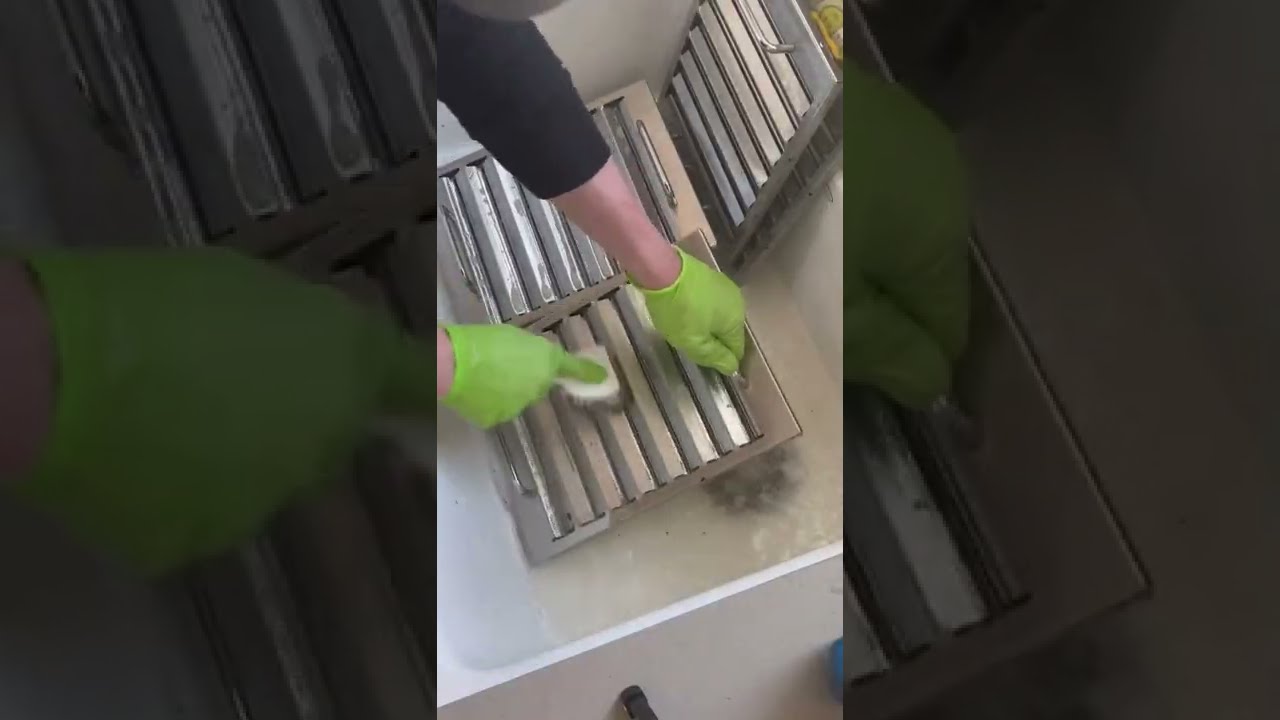
It’s tempting to think that a simple soak in soapy water will do the trick. While routine filter cleaning is vital, professional service goes deeper than what household chemicals can reach.

What Professional Cleaners Tackle
A professional service doesn't just clean the visible filters; they address the entire system, ensuring peak efficiency and safety.
- Ductwork and Vents: Grease particles don't just sit on the filters; they build up in the ducting and vents. These areas require specialized vacuuming and degreasing that DIY methods cannot achieve. Motor and Internal Components: The motor housing and internal collection points can harbor decades of residue. Professional cleaning ensures the motor operates with minimal resistance. Safety and Efficiency: By removing built-up carbon and grease, the service restores the appliance's rated suction capacity, ensuring that all smoke, steam, and odors are properly vented, keeping your home air quality pristine.
As one appliance technician wisely stated, "A clean rangehood isn't just about looks; it's about maintaining the integrity of your home's air system." This quote perfectly encapsulates why this service is so critical.
Maintaining Peak Performance Between Deep Cleans
While professional deep cleaning is essential, consistent upkeep can dramatically extend the time between services. Think of it like giving your car regular oil changes—it keeps the engine purring smoothly.
Quick DIY Care Tips
You don't need to be a professional to keep up with the basics.
- Filter Cleaning: Regularly wash removable mesh filters (monthly for heavy use, every 2-3 months for light use) in warm, soapy water. Never put them in the dishwasher unless the manufacturer explicitly states it is safe. Wipe Down Exterior: Keep the exterior stainless steel polished and smudge-free to maintain its aesthetic appeal. Use the Right Tools: When cleaning surrounding areas, use a damp cloth and appropriate kitchen degreaser, avoiding abrasive scouring pads that can scratch the finish.
Understanding the Risks of Neglect
The biggest risk of delaying service is not just poor performance, but a potential fire hazard. Accumulated grease can ignite under high heat. Furthermore, a poorly functioning rangehood doesn't just affect your cooking; it can impact your home's ventilation and overall air quality, making your kitchen feel like a greasy sauna.
Ensuring Your Service Provider is Reliable
If you've determined that when should I schedule rangehood cleaning in Sydney? it's time to book a service. Choosing a reliable provider is key. Look for companies that offer:
- Insurance and Licensing: Professionalism starts with proper credentials. Comprehensive Checklists: They should inspect the filters, the motor, and the ducting, not just the visible parts. Clear Estimates: They should provide a transparent quote before beginning work.
Ultimately, maintaining a clean rangehood is an act of preventative maintenance—an investment that pays dividends in efficiency, safety, and peace of mind. Don't let grease buildup become a looming worry. By establishing a routine and knowing the signs, you can ensure your kitchen remains a clean, functional haven for years to come.