Buying a small business is equal parts numbers, nerve, and timing. In London, opportunity looks different street by street. The high footfall near a Tube station can make a sandwich franchise sparkle, while an independent e‑commerce operation in a second floor office might quietly mint cash without fanfare. Across the Atlantic in London, Ontario, a strong healthcare and education base steadies demand through the seasons, but labour dynamics and mall traffic can swing store performance fast. Franchising sits in the middle of these realities, promising brand, playbook, and support, while asking for fees, compliance, and patience.
If you have been typing small business for sale London into your searches, or honing it to business for sale in London Ontario, odds are you have already felt the pull of a recognizable brand. That tug is not imaginary. A known chain lowers customer hesitation, landlords like the perceived stability, and lenders often view franchise borrowers as a safer bet. The question is whether those advantages fit your temperament, your capital, and your local market.
The two Londons, two tempos
The word London masks very different contexts.
In the UK capital, density drives trade. A 600 square foot grab‑and‑go unit in Zone 2 can turn more transactions than a 1,800 square foot café in a provincial town. Rents and business rates bite, staff churn is real, and the competition is quick on promotions. If you buy a business in London with a franchisor behind you, supplier pricing, systems, and national marketing help cut through the ambient noise. They do not erase the cost base. Margins still live and die on labor scheduling, shrink control, and negotiating a lease that will not suffocate you in year three.
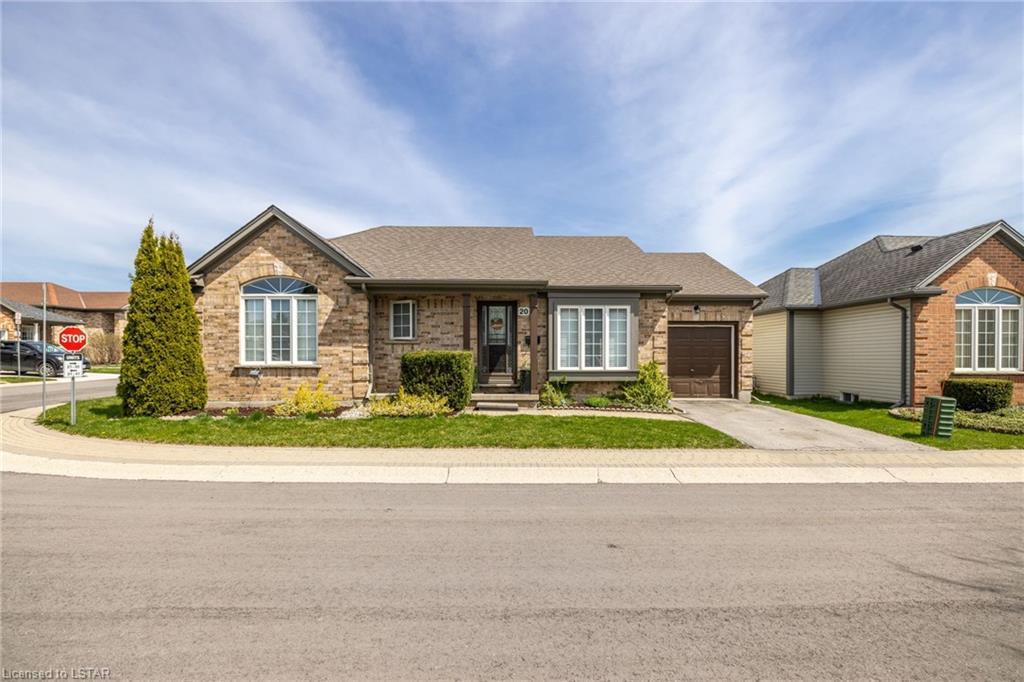
In London, Ontario, consumer habits skew to drive‑to, not footfall, and weather matters. Snow days and summer holidays shift the rhythm. Shopping centers and arterial roads anchor retail. If you search businesses for sale London Ontario or business for sale London, Ontario and land on a franchise, you will likely see clearer weekpart patterns, staff who stick longer, and utility costs that are more predictable. The constraint, especially for food concepts, is often real estate quality and local labour availability during peak college terms.
Franchising can work in both, but the levers differ. In the UK, you win on throughput and lease discipline. In Ontario, you win on site selection, community marketing, and keeping a core team intact through semester swings.
Start with you, not the brand
People underestimate how much owner fit drives franchise outcomes. A polished operations manual does not change whether you enjoy morning huddles, supply snags, and the slow craft of training.
Here is a quick self‑check before you fall in love with a logo:
- Do you want to optimize a proven system, or do you get energy from reinventing the offer every few months? Can you follow rules you did not write, including menu, pricing windows, and approved vendors? Are you comfortable coaching entry‑level staff, week after week, with patience? Does the idea of local marketing, from school fundraisers to chamber breakfasts, sound like work you would actually do? If margins tightened for six months, would you still show up with the same consistency?
If those answers trend toward system, coaching, and endurance, a franchise can be a strong fit. If you feel boxed in by other people’s playbook, look at independent companies for sale London or off market business for sale options where you can write your own rules.
What a franchise deal really costs
Headline fees are the start, not the whole story. I have watched more first‑time buyers trip on build‑out, working capital, and the time gap between keys and break‑even than on the initial fee.
- Initial franchise fee typically ranges from £15,000 to £40,000 in the UK for many retail and food concepts, with some service brands lower and some restaurant groups higher. In Canada, common ranges run CAD 20,000 to CAD 60,000, concept dependent. Royalties often sit between 4 percent and 8 percent of gross sales. Some models add fixed weekly fees instead, but percentage royalties are more common. National or regional marketing funds usually take 1 percent to 3 percent of gross. Many franchisors also expect a local marketing spend measured as a percentage of sales or a monthly minimum. Build‑out and equipment span wide ranges. Light service concepts might open for £75,000 to £150,000 in the UK or CAD 120,000 to CAD 250,000 in Ontario. Full kitchen casual dining can push several hundred thousand in either market. Leaseholds in central London often add a premium for extraction, listed building constraints, or landlord works. Training and opening support usually require travel and staff wages during training weeks, plus initial inventory. Budget it, then add 15 percent. There are always snags, from signage lead times to broadband installations.
Be more conservative than the brochure. If a model’s average unit sales look strong, ask for the interquartile range, not just the mean, and request performance by cohort or geography. A coffee brand doing £18,000 a week in a London terminal will not translate one for one to a neighborhood high street. In Ontario, a mall inline unit might do CAD 12,000 in December weeks and CAD 6,500 in quiet February stretches. Working capital bridges those valleys.
Where to find the right opportunities
Public portals and brokers still do most of the matchmaking. In the UK, large sites carry a steady flow of business for sale in London listings, both franchise resales and independent shops. In Ontario, the same is true for business for sale in London Ontario searches. The better franchise resales rarely sit long when the books are clean and the site is right.
Off market business for sale avenues appeal because they promise a less crowded field. They require extra legwork. Some buyers introduce themselves to owners at stores they like, then keep in touch quarterly. Others work with brokers who maintain relationships long before a listing is public. You will see names, from generalists to niche firms. People sometimes mention boutique outfits like liquid sunset business brokers or sunset business brokers in conversations about quiet deal flow. Treat any brand name as a starting point, not a shortcut. Personal fit with a broker matters more than the sign on the door. Whatever the channel, insist on documentation, not stories.
If you want a franchise resale, ask the franchisor’s development team about approved resales. Many brands will not publicly post them to avoid spooking staff, but they maintain a buyer file and quietly place candidates.
Valuation rules of thumb, and the traps
Independent small businesses in London often price off seller’s discretionary earnings, with common ranges of two to three and a half times SDE for stable operations under the one million revenue mark. Stronger brands, cleaner books, and transferable management can stretch higher. Weaker documentation, customer concentration, or a site with a ticking lease can sink value fast.
Franchise resales layer in brand and system, which sometimes pushes multiples up a notch. Buyers like predictability, landlords prefer continuity, and lenders have data on the chain’s performance. Do not pay a premium just for the logo. Pay for cash flow that is likely to persist. If a franchise unit relies on one charismatic owner working 70 hours a week to hit numbers, and you plan to manage through a lead supervisor, haircut that SDE.
In London, Ontario, I regularly see owner‑operator service franchises trading around two times to three times SDE if the franchise allows semi‑absentee oversight and the territory is not maxed out. Food sits in a similar band but swings more with lease terms and equipment age. In central London UK, cash‑heavy sites with short leases and no extraction command very different pricing logic than leasehold bars with valuable late licenses. Treat comparables like weather reports, not gospel.
The legal and disclosure landscape
Regulation differs by country, and ignoring it is an easy way to step on a rake.
In Ontario, franchisors must provide a franchise disclosure document at least 14 days before you sign or pay money. It needs to include material facts, fees, financial statements, and agreements. The law, often referred to through the Arthur Wishart Act, gives franchisees remedies if disclosure is materially deficient. Use that window. Read, mark, and ask for clarifications in writing. Experienced franchise lawyers in Ontario know where issues hide, from territory carve‑outs to ad fund accounting.
The UK does not have a statutory franchise disclosure regime like several Canadian provinces. Many reputable franchisors follow the British Franchise Association code and provide detailed packs. Quality varies. You may receive an operations snapshot, financial illustrations, a list of current franchisees, and the draft agreement. Because there is less prescriptive law, the onus sits even more on your due diligence and your solicitor’s red pen.
In both places, call current and former franchisees. Not the ones on the brand’s preferred list alone. Ask for a full roster and pick randomly. You learn more in half an hour with three candid operators than in a week of glossy decks.
Lease mechanics and location realities
Franchise or not, your rent will not care about your brand name. In London UK, lease terms often include service charges, rent review mechanics, and repair obligations that add materially to occupancy cost. If you inherit a lease in a franchise resale, scrutinize assignments, personal guarantees, and alienation clauses. A healthy unit can still drown under an upward only rent review in a fragile high street.
In London, Ontario, the language shifts to anchors, co‑tenancy, and common area maintenance charges. A franchise might secure a better slot in a center than an independent, thanks to national relationships. That is a real perk. Make sure your deal reflects the real CAM and tax figures, not an estimate. February’s bill has a way of reminding owners that fine print matters.
The biggest lease error I see is underestimating how one clause can limit your exit. If your franchise agreement requires the franchisor’s approval for a resale, and your lease requires the landlord’s consent, your timetable just doubled. Plan that into both price negotiations and your patience budget.
Financing a franchise purchase
Banks like patterns. A franchise with a track record offers that. It does not guarantee approval.
In the UK, high street banks sometimes run preferred programs with established franchisors. If you can show sector experience, a solid personal balance sheet, and a site with believable projections, you can secure term loans to cover a portion of fit‑out and equipment. Government‑linked support, such as British Business Bank programs, can supplement, especially for newer owners. Your rates and covenants will still track risk and cash flow.
In Canada, the Canada Small Business Financing Program often helps finance leaseholds, equipment, and improvements for eligible businesses, including many franchise units. The program can cover a large share of these costs up to a defined cap, with the lender sharing risk with the government. The Business Development Bank of Canada also offers term loans and working capital options. Lenders lean heavily on cash flow coverage. If the unit’s pro forma debt service coverage sits below 1.25 on conservative assumptions, expect pushback.
For either market, remember that working capital is not a rounding error. Inventory ramps, a slow permit, a staff turnover blip, and seasonal bumps each take cash. I encourage buyers to hold three to six months of fixed costs as a buffer on top of project costs.
A day in the life, not the brochure
A franchise’s promise is process. Your job is execution. Picture a Tuesday in a quick service franchise in London UK. Deliveries hit at 6:30 a.m. You have a barista off sick, a school group booking you forgot, and a card terminal glitch just as commuters bunch. The system helps, yes. But you are still untangling a rota, comping three drinks, and calling tech support with a queue in front of you.

Now slide to a residential cleaning franchise in London, Ontario. You start at 7 a.m. checking routes, a van needs a new alternator, and a regular client asks to add a post‑renovation deep clean. The playbook for quoting helps. The real work lives in rebalancing your crews and keeping your best team lead from burning out.
If that mix of planned routine and constant interruption sounds satisfying, franchising rewards operators who like the game on the ground, not just the P&L.
Independent vs franchise, in plain terms
Some buyers go through a franchise exploration, then choose an independent business for sale in London. It is not a failure of the model. It is about fit. Here is the trade‑off, boiled down.
- Franchise: lower branding risk, vendor terms, training, peer network. You give up menu freedom, pay royalties, and live within brand guardrails. Independent: total control of product and pricing, no ongoing royalties, more scope for local quirks. You build your own playbook, and every supplier, staff policy, and marketing move is on you.
On financing and exit, franchises often win. On creative control and margin ceiling, independents can edge ahead if the owner is strong at product and local brand building.
Resales, transfer fees, and the exit nobody likes to plan
Buyers focus on the buy. Smart owners plan the sale on day one. If you are serious about a franchise, ask the franchisor about transfer fees, training for the incoming buyer, and approval timelines. Ten percent of the sale price as a transfer fee is not unheard of, though many brands charge less or a capped fee. It matters when you run your lifetime return.
In London UK, clean franchise resales in strong locations change hands briskly if books are tidy and staffing is credible. In London, Ontario, a business broker London Ontario will tell you buyer pools are deep for units with stable cash flow and reasonable hours. If you intend to sell a business London Ontario within three to five years, invest early in documentation, formalize the manager’s role, and keep non‑competes and supplier contracts current.
Due diligence, with a franchise lens
Look beyond the usual tax returns and POS reports. Franchises give you extra places to probe.
- Unit economics: month by month for two years, same store sales if available, seasonality by weekpart. Track royalties and ad fund debits and reconcile them to sales. Territory and encroachment: exact map or description, any carve‑outs for nontraditional sites. Ask how the brand handles proximity conflicts. Get examples. Training and support: what is required at launch, what is offered in year two, who answers the phone on Sunday morning. Names and bios, not just functions. Supplier terms: rebates, approved lists, any right to self‑supply. In food, ask about alternates for core SKUs if a distributor misses a delivery. Technology stack: POS, CRM, scheduling, backup processes for outages, data ownership if you leave. System friction shows up fast in staffing and customer service.
In Ontario, verify that the franchisor complied with disclosure timing and content. In the UK, ask the solicitor to pick through the agreement for renewal rights, personal guarantees, and dispute resolution. In both markets, speak to at least five current franchisees and two formers. Ask them what surprised them after month six, what they would put in writing if they could renegotiate, and whether they would buy the same territory again.
Brokers, advisors, and off‑market whispers
A good intermediary earns the fee by surfacing workable deals and protecting momentum. In the UK, some agents focus on high street retail, others on hospitality, and a few on service routes. In Ontario, business brokers London Ontario vary from solo practices to regional shops with dedicated franchise resale desks. Interview two or three. Ask them to show you a deal they killed and why. If all you hear is sunny closings, keep looking.
If you chase off market business for sale leads, hold yourself to the same standards a lender would. Signed NDAs, clean financials, and proof of franchisor approval to market the unit. Even with familiar names like liquid sunset business brokers or sunset business brokers in your orbit, do your own work. The risk in quiet deals is not always price, it is missing a consent clause or a pending rent increase because everyone was in a hurry to be discreet.
Edge cases worth considering
Not all franchises are storefronts. Some of the best operators I know in both Londons run mobile service territories, specialty education programs, or B2B maintenance routes. They carry no rent, rely on dispatch discipline, and scale through crews, not tables. If you are comparing a business for sale London unit in the city center to a home services franchise that sends vans across SW or NW postcodes, get comfortable with different KPIs. On the Ontario side, seasonal dynamics matter more. Lawn care, holiday lighting, and exterior maintenance spike then quiet. If that rhythm suits your household, it can be a win.
Multi‑unit ownership is another path. In dense UK zones, a franchisee might cluster three to five kiosks within a 30 minute radius and share a roving manager. In Ontario, spacing can be wider, with two units on opposite sides of the city sharing back office. Multi‑unit magnifies both your upside and your people challenges. It is not a day one play for most first‑time buyers.
Making your call, step by step
By the time people reach out to me, they have usually narrowed to two or three brands and a couple of independent targets. A simple path keeps momentum without skipping essentials.
- Set your constraints on paper: capital you are truly willing to deploy, the hours you can commit, and the earliest and latest dates you want to be operational. Map three scenarios with conservative, base, and optimistic sales. Layer in royalties, ad funds, and realistic labour, not wishful numbers. Test two sites or territories with footfall counts, competitor proximity, and a chat with neighboring operators. Real‑world smell tests beat spreadsheets. Run your lender conversations early, with draft numbers. You will learn what covenants they care about, and your plan will sharpen. Book time with three current franchisees and at least one former. Ask blunt, specific questions, then sit with the unease or confidence those answers create.
If you follow that discipline, you https://www.mediafire.com/file/nwhu9yrf5tf9kf4/pdf-22058-54235.pdf/file will know whether a franchised small business for sale London unit suits your appetite, or whether you would rather chase an independent business for sale in London or a quieter business for sale in London Ontario with more flexibility and less brand overhead.
A last word from the shop floor
Franchising is not a magic wand. It is a powerful way to skip the early chaos many independents endure, in exchange for rules and a share of your gross. In the UK’s capital, that trade can free you to focus on throughput and staff culture instead of supply chain improvisation. In London, Ontario, it can plug you into proven marketing, staff training, and lender comfort that keeps stress lower in your first winter.
If your searches bounce between buy a business in London and buy a business London Ontario, pause to ask what your daily life should feel like. The right business, franchise or not, will line up with the way you like to work, the way your family runs, and the market outside your door. That alignment is what turns a listing into a livelihood.