When you cook, you create more than just delicious meals; you create airborne particulates—a smoky, greasy cloud that, if left unchecked, can pose significant problems. In the bustling culinary landscape of Sydney, where standards are high and inspectors are thorough, ignoring the upkeep of your kitchen exhaust system is not just a maintenance oversight; it's a potential compliance nightmare. Understanding the gravity of compliance issues due to dirty range hoods Sydney is crucial for any homeowner, restaurant owner, or property manager looking to maintain peace of mind and avoid costly penalties. This detailed guide will walk you through the regulations, the risks, and the professional solutions required to keep your kitchen running smoothly and legally.
Understanding the Regulatory Landscape in Sydney
The laws governing commercial and residential kitchen exhaust systems are designed with one primary goal: fire prevention. Grease, carbon buildup, and accumulated dirt are highly combustible. Sydney's local council regulations treat these systems with extreme seriousness, viewing them as potential tinderboxes. Compliance is not optional; it is a fundamental requirement for safety and insurance purposes.

Why Is Grease Accumulation So Dangerous?
The dangers posed by a neglected range hood are far from theoretical. Grease buildup acts like a slow-burning fuse. When exposed to high heat, this accumulated grease can ignite, leading to catastrophic fires. The process is insidious—it doesn't always start with a bang; often, it starts with a smolder.
- Fire Hazard: The primary concern is the risk of grease fires, which can spread rapidly and damage property, leading to massive financial and legal fallout. Health Concerns: Poorly maintained hoods can also circulate stale air and harbor pathogens, impacting indoor air quality. Insurance Voidance: In the event of a fire, if it is determined that the primary cause was neglect (such as dirty hoods), insurance claims may be jeopardized or outright rejected.
"Safety standards are not just guidelines; they are the bedrock upon which community well-being is built," notes one local fire safety expert. This sentiment should serve as a powerful reminder that proactive maintenance is far cheaper than reactive disaster recovery.
The Specific Risks of Neglecting Range Hood Maintenance
Ignoring the tell-tale signs of a dirty range hood is like whistling past the graveyard—you might feel safe, but the danger is still right there. The consequences of non-compliance can range from hefty fines to temporary closure of your business.
Identifying Potential Compliance Issues
How do you know if your system is falling behind? Look for these tell-tale signs:
- Visible Buildup: Thick, dark residue coating the filters, ducts, and internal components. Reduced Efficiency: The hood struggles to pull smoke or smells, indicating a clogged system. Sizzling Sounds: Uncharacteristic sounds of burning or sizzling often signal overheating grease buildup.
One client, who owned a popular cafe in Surry Hills, once dismissed the smell of burnt grease as "just cooking." However, Find out more an inspection revealed the ductwork was so choked with hardened fat that the entire system was a ticking time bomb. It was a stark reminder that what seems minor can quickly become a major liability.
The Financial Weight of Non-Compliance
The penalties associated with compliance issues due to dirty range hoods Sydney are multifaceted. Beyond the immediate fines levied by council authorities, there are secondary costs:
- Professional Clean-Up: You will have to pay for emergency clean-ups and remediation after an incident. Operational Downtime: If the system is deemed unsafe, you could face mandated closure until repairs and deep cleaning are completed. Reputational Damage: For businesses, being associated with a safety hazard damages customer trust and reputation.
Deep Dive into Professional Cleaning and Maintenance Protocols
So, what is the correct, professional response? The answer is a systematic approach involving expert cleaning and scheduled inspections. This process goes far beyond simply wiping down the visible parts.
What Does a Professional Clean Include?
A comprehensive service is not just a deep clean; it is a full system overhaul. Professionals must address every component to ensure the system is operating at peak safety and efficiency.
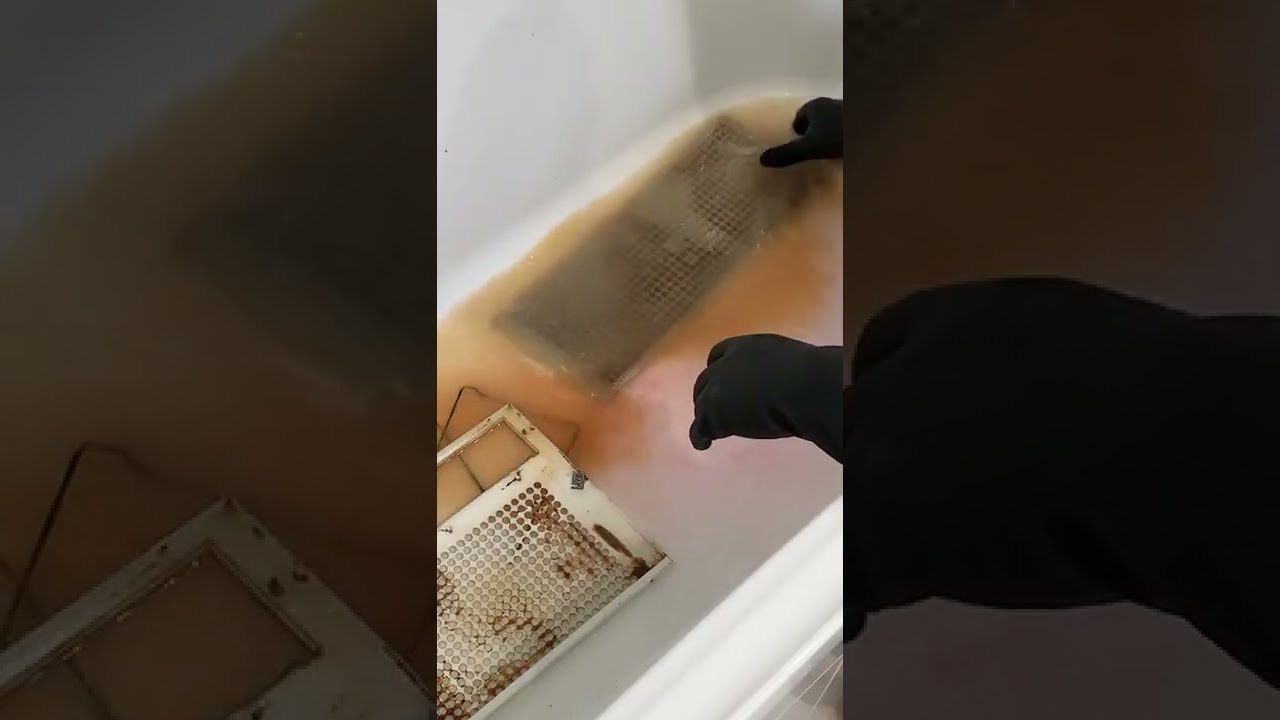
- Filter Removal and Degreasing: Filters are removed and treated with specialized degreasers to eliminate baked-on fats. Ductwork Cleaning: The internal ductwork is physically scrubbed and degreased using industrial equipment to remove residue from the core structure. Venting System Inspection: Technicians inspect the connections, fire suppression systems, and overall venting integrity to ensure they meet current NSW Building Code standards.
When considering who can handle this critical task, remember that this is a specialized trade. You need professionals who understand the nuances of local Sydney regulations and who possess the right equipment to tackle the grime without damaging the infrastructure.
Ensuring Long-Term Safety: Making Your Selection Count
Maintaining a clean range hood is not a one-time fix; it is an ongoing commitment to safety. It requires a proactive maintenance schedule that treats the system like a living thing that needs regular check-ups.
Establishing a Preventative Maintenance Schedule
To keep your kitchen compliant and safe, follow these guidelines:
- Daily/Weekly: Routine cleaning of visible filters and surfaces. Quarterly: Professional visual inspections and minor degreasing of accessible parts. Annually: Full, deep-cleaning service of the entire ductwork and system, performed by licensed professionals.
The key takeaway here is that prevention is always the best policy. Why wait for the smell of smoke to tell you something is wrong? Shouldn't safety be a constant, quiet assurance, not an emergency alarm?
By treating your range hood system with the respect it deserves—by keeping it pristine and compliant—you are not just avoiding a fine; you are protecting your livelihood, your property, and the safety of everyone around you. Addressing potential compliance issues due to dirty range hoods Sydney immediately is the smartest investment you can make in your kitchen's longevity and peace of mind. Taking the time to understand these requirements ensures that your culinary passion remains safely contained, allowing you to focus on the joy of cooking, not the fear of fire.