Running a commercial kitchen is a high-stakes, high-heat operation. It's the culinary engine room of a business, capable of producing gastronomic wonders, but also harboring significant fire risks. While fire suppression systems are crucial, they are only part of the equation. The unsung heroes of kitchen safety are the filters—specifically, the grease filters—and the meticulous process of their cleaning. Ignoring this preventative maintenance is like whistling Dixie with a matchstick: it sounds harmless, but the potential for disaster is real. This comprehensive guide will walk you through everything you need to know about why, when, and how to properly manage commercial kitchen fire prevention filter cleaning Sydney, ensuring your establishment remains safe, compliant, and operating smoothly.
Understanding the Fire Hazard: Why Filters Matter
The primary fuel source in a commercial kitchen fire is grease. Every pan scrape, every deep fryer pour, and every sauté generates airborne grease and residue. These particles accumulate on exhaust hoods, ducts, and, most critically, the filters. Over time, this buildup transforms the filters from simple screening devices into highly combustible tinderboxes.
The Science of Grease Accumulation
Grease isn't just sticky; it's a fuel source waiting for an ignition point. When oil-laden vapors collect on the metal mesh of the filters, they create a continuous path for heat transfer. The heat generated by the cooking process, combined with the concentrated grease, lowers the flash point of the material, making it far more susceptible to spontaneous combustion.
- Filters are not just for air: They are designed to catch particulate matter, including fine grease droplets and airborne carbonized residue. The danger is hidden: You might look at a clean exhaust system and feel safe, but the deep, internal buildup—the invisible fuel—is the real concern.
The Consequences of Neglect
Neglecting regular cleaning isn't just a maintenance oversight; it's a liability risk. Sydney's stringent fire regulations mandate proper upkeep. A fire originating from a neglected hood system can rapidly escalate, causing massive structural damage and, more importantly, jeopardizing human life.
One anecdote I once heard involved a high-volume bakery in Sydney. They had a beautiful, state-of-the-art suppression system, but due to years of skipping deep filter cleaning, a small grease fire started in the exhaust. The system activated, but the sheer volume of fuel buildup overwhelmed the initial suppression effort, resulting in significant damage that could have been avoided with proactive cleaning.
Best Practices for Commercial Kitchen Cleaning
Effective fire prevention is a cyclical process, not a one-time fix. It requires a blend of routine cleaning, professional deep dives, and adherence to local regulations. When considering commercial kitchen fire prevention filter cleaning Sydney, you are essentially investing in peace of mind.
Routine Daily and Weekly Tasks
Daily cleaning should focus on visible debris and surface grease. This is often done by kitchen staff, keeping the immediate work area manageable. Weekly tasks, however, require more attention, focusing on the structural components like the filters themselves.
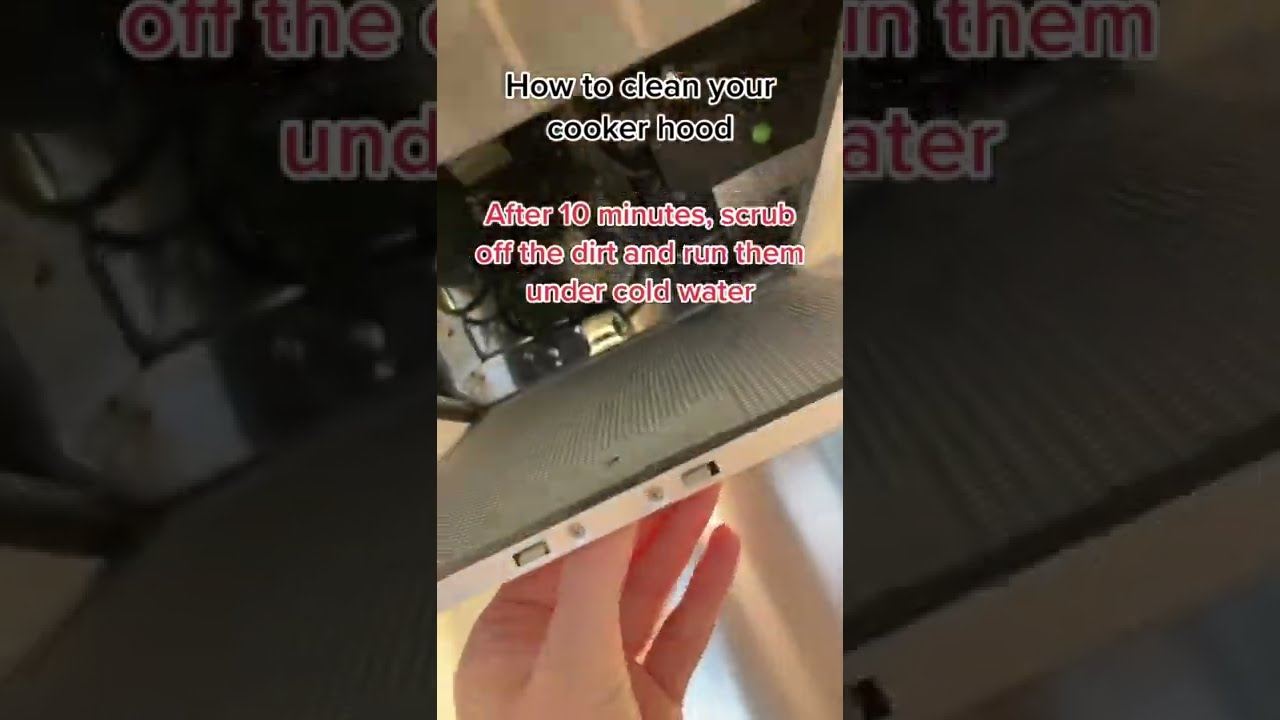

- Visual Inspection: Check all filters for visible tears, warping, or excessive black buildup. Manual Cleaning: Remove and scrub filters with appropriate degreasers. System Check: Ensure the hood and exhaust fans are running smoothly and that the fire suppression system is armed and inspected.
Deep Cleaning and Professional Services
While daily cleaning keeps the kitchen running, deep cleaning is non-negotiable. This involves professional services that can access areas and buildup that human effort cannot reach.
The quote, "Prevention is better than cure," rings especially true here. A professional deep clean doesn't just clean; it assesses the entire system's integrity. They look for signs of corrosion, duct blockage, and residue buildup that might be acting like a slow-burning fuse.
Understanding Local Sydney Compliance
Fire safety regulations are constantly evolving, and Sydney is no exception. Compliance is not merely a suggestion; Continue reading it is the law. Professional service providers must be intimately familiar with local council and fire brigade guidelines to ensure your cleaning methods and frequency meet the highest standards.

Advanced Techniques in Filter Maintenance
How exactly do you clean filters without damaging the delicate mesh or, worse, creating more mess? The process requires specialized knowledge and equipment.
Chemical vs. Mechanical Cleaning
Many DIY approaches rely on harsh chemicals or brute force scrubbing. This can damage the metal mesh, creating tiny tears that allow grease to penetrate deeper into the system. Professional services utilize a combination of:
Specialized Degreasers: Chemicals formulated to break down polymerized fats without corroding the underlying metal. High-Pressure Washes: Removing deep-seated residue from the filters and ducts. Duct Inspection: Using specialized cameras to ensure the internal ductwork is clear and undamaged.The Role of Preventative Maintenance Scheduling
The best fire prevention plan doesn't wait for a fire; it anticipates it. Establishing a predictable, scheduled maintenance calendar is vital. Think of it like changing the oil in a car—you do it before the engine seizes.
When you book commercial kitchen fire prevention filter cleaning Sydney, you are securing a comprehensive audit. This audit ensures that the entire system—from the fryer to the exhaust stack—is operating as one cohesive, safe unit.
Ensuring Operational Safety and Peace of Mind
A clean kitchen isn't just a nicer-smelling kitchen; it's a fundamentally safer one. By prioritizing filter cleaning and professional maintenance, you are protecting your staff, your customers, and your bottom line.
Are you confident that your current cleaning routine addresses the deep, invisible grease buildup that poses the greatest risk? By treating the filter and exhaust system not as an afterthought, but as a critical piece of safety infrastructure, you eliminate a major variable in potential disaster scenarios.
Ultimately, taking proactive steps regarding commercial kitchen fire prevention filter cleaning Sydney transforms a reactive, costly emergency management process into a routine, manageable safety protocol. By partnering with experts who understand the nuances of high-heat commercial environments, you ensure that the only thing burning in your kitchen is the delicious scent of freshly cooked food.
Ready to safeguard your operation? Don't wait for an inspection notice or, worse, a fire alarm. Contact a certified professional today to schedule a comprehensive audit and filter cleaning service, guaranteeing your Sydney kitchen meets the highest standards of safety and compliance.